Finding the right exfoliating product for your skin is like finding the right partner to match your temperament – there are many on the market but might not work for you; those that others love but end up being a nightmare for you, or those that you can handle but others couldn’t. Exfoliating skincare really isn’t a case of one size fits all. The same products can be feel harsh, drying or irritating to some, whilst others can see minimal effects from them.
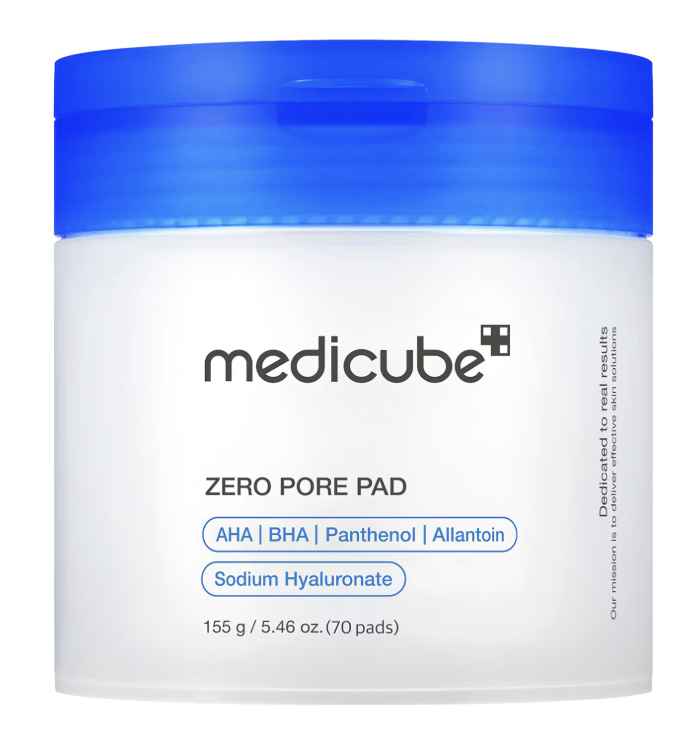
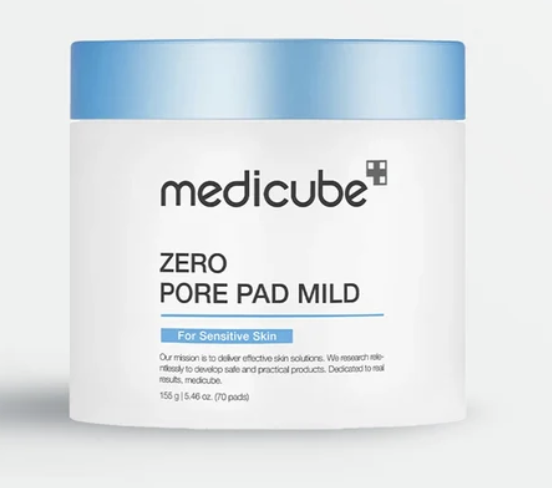
Exfoliating pore pads are a popular method of exfoliation. They use a small cotton pad soaked in product, most popularly an AHA (alpha hydroxy acid) or BHA (beta hydroxy acid) solution, to deliver product onto the skin. Medicube’s Zero Pore Pad and Zero Pore Pad 2.0 products have seen huge success online, with many other brands offering a range of exfoliating pads to rival them. With many products now available, the ingredients used can vary considerably, making it useful to understand what different formulations can offer.

In our last article, we discussed the benefits of an ingredient called Tromethamine in exfoliating skincare. In short, Tromethamine lowers the acidity of exfoliants like AHAs and BHAs, whilst contributing to hydration. This Tromethamine can be a really useful ingredient in products intended for moderate exfoliation and regular use, whilst potentially reducing the stinging associated with strong exfoliating acids.
For barrier-conscious pads that exfoliate without damaging or irritating the skin, look for products that contain mild AHAs/BHAs like Lactic acid or Salicylic acid, combined with Tromethamine. Added humectants and botanical extracts may help to produce extra hydrating and soothing effects.
Cosmetic Scientist’s Recommendations:
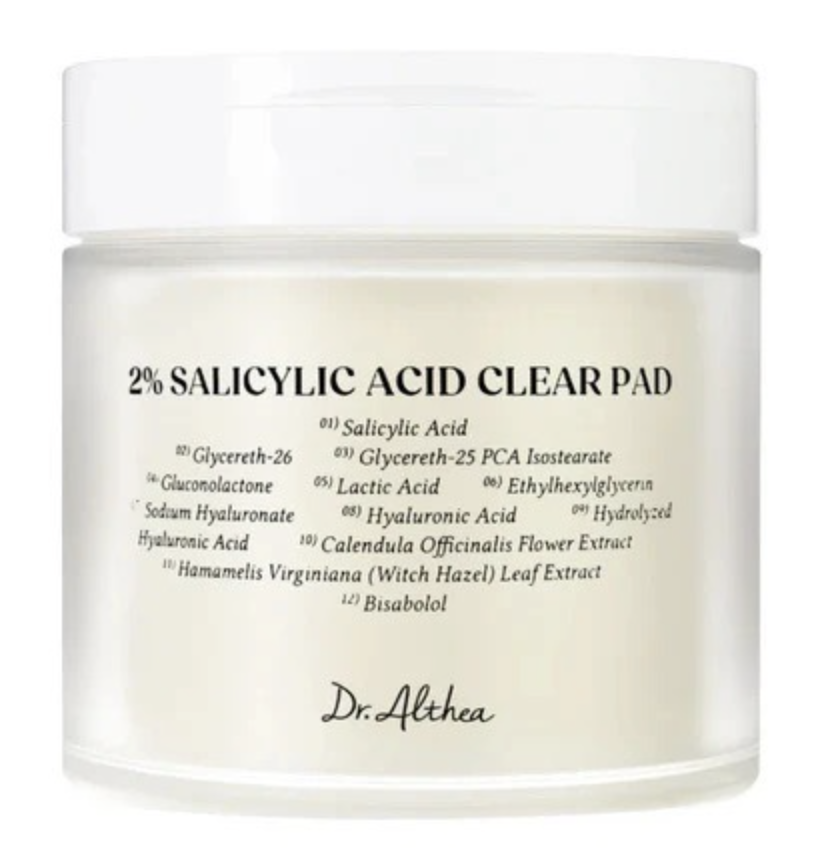
Dr Althea 2% Salicylic Acid Clear Pad
For those looking for a stronger effect from their exfoliants, products formulated with Sodium Hydroxide may deliver intense results. Whilst Sodium Hydroxide also lowers the pH acidity of AHAs, it leaves the more of the acid in its “free” state compared to Tromethamine, increasing its exfoliating activity.
These products may produce more noticeable exfoliation, but are also more likely to cause stinging or irritation. They are therefore better suited to less frequent use, particularly for those with sensitive skin. Look for products that contain high levels of AHAs and BHAs like lactic acid and glycolic acid, combined with Sodium Hydroxide for a strong exfoliation without damaging the skin.
Cosmetic Scientist’s Recommendations:
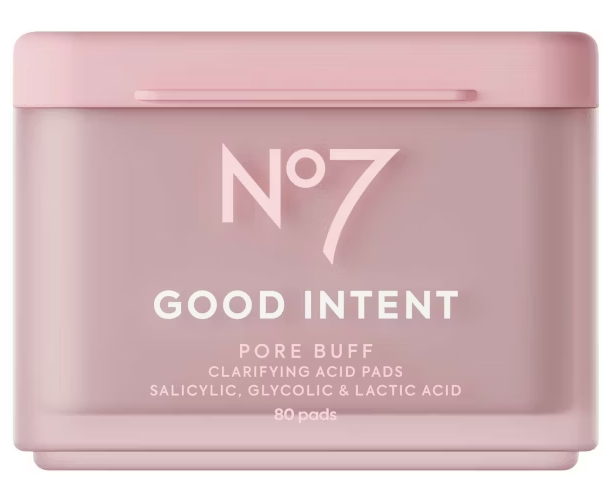
No 7 Good Intent Pore Buff Clarifying Acid Pad
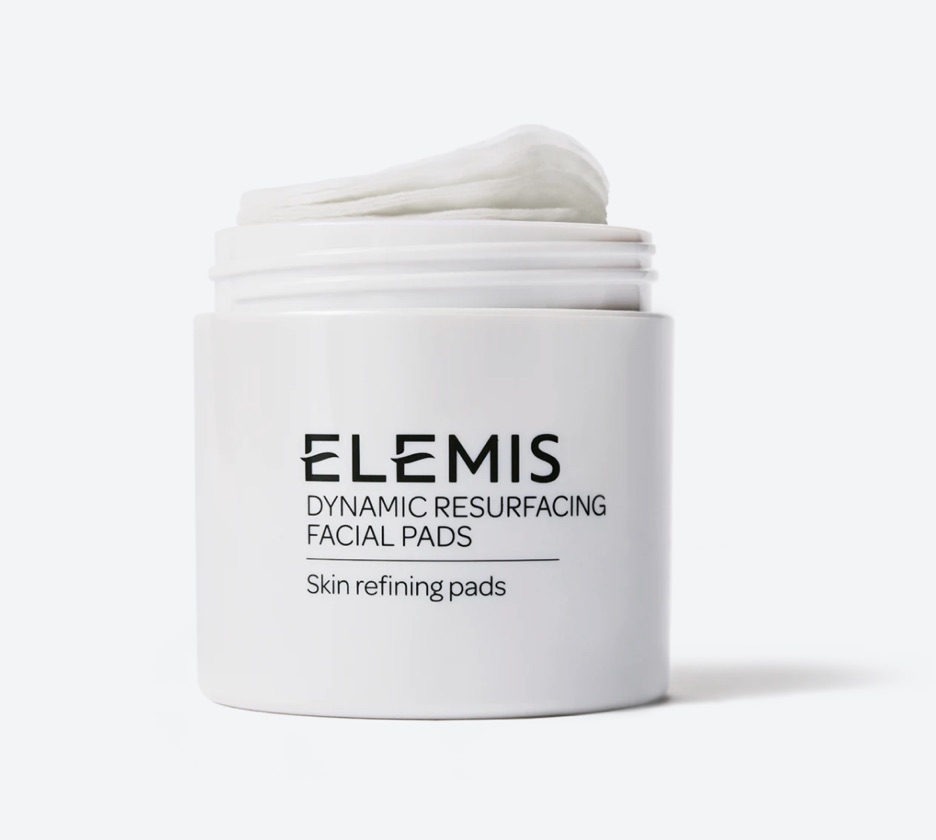
Elemis Dynamic Resurfacing Facial Pad
If you have sensitive skin that can’t tolerate traditional exfoliating methods but still want to exfoliate dead skin, replacing AHA/BHA products with PHA (poly hydroxy acids) or LHA (lipo hydroxy acids) products may be your best move.
PHAs like Gluconolactonate work as surface hydrators to calm irritation, whilst softly exfoliating the skin.. These pads often work through their physical texture as opposed to a chemical breakdown of the skin, meaning there is minimal to no deep barrier penetration. Some of these products also contain Tromethamine and other barrier-supporting ingredients such as Panthenol and botanical extracts, which are great for sensitive skin.
Cosmetic Scientist’s Recommendations:
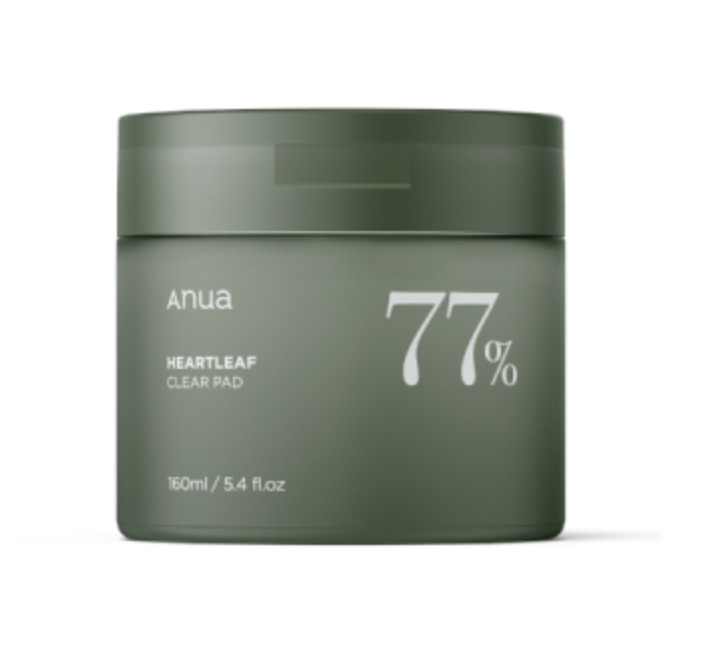
Ultimately, a higher percentage of exfoliating acid doesn’t necessarily make a product more suitable. The best choice depends on how much exfoliation your skin can tolerate, how often you intend to use the product, and how important maintaining the skin’s barrier is to you.
Disclaimer: CCC are not affiliated with any of these brands or products – they are simply examples of products that we believe will deliver the results you’re looking for.
We have an in-house laboratory where we can create similar formulations and more – if you are interested in developing a formulation with us, please get in touch!
References
Applications of Hydroxy Acids: Classification, Mechanisms, and Photoactivity.” PubMed Central (PMC), National Center for Biotechnology Information, 2011, https://pmc.ncbi.nlm.nih.gov/articles/PMC3047947/.
Dual Effects of Alpha-Hydroxy Acids on the Skin.” PubMed Central (PMC), National Center for Biotechnology Information, 2018, https://pmc.ncbi.nlm.nih.gov/articles/PMC6017965/.
Evaluating the Efficacy and Safety of Alpha-Hydroxy Acids in Dermatological Practice.” Clinical, Cosmetic and Investigational Dermatology, vol. 17, 2024, https://pubmed.ncbi.nlm.nih.gov/39050562/.
AHA + BHA Formulation Scan: Tromethamine Buffering.” Demythskin Analysis, 2024.
“Tromethamine Ingredient Profile.” SincereSkincare, 2023, https://sincereskincare.com/ingredients/tromethamine/.
“What Is Tromethamine? | Ingredient Dictionary.” Paula’s Choice, 2022, https://www.paulaschoice.co.uk/tromethamine/ingredient-tromethamine.html.